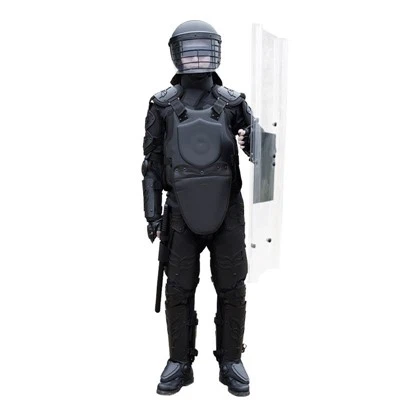
Are Riot Jackets Resistant to Cuts?
In the high - stakes world of riot control and law enforcement, the safety of officers is of paramount importance. One of the key pieces of equipment in an officer's arsenal is the riot jacket. As a supplier of riot jackets, I am often asked about their resistance to cuts. In this blog, I will delve into the science behind the cut - resistance of riot jackets and explore the factors that determine their effectiveness.
Understanding Cut - Resistance
Cut - resistance is a measure of a material's ability to withstand the cutting action of a sharp object. It is typically measured using standardized testing methods such as the ASTM F1790 or EN 388 standards. These tests involve using a sharp blade to cut through the material under controlled conditions and measuring the force required to penetrate the material.
The cut - resistance of a material is usually rated on a scale. For example, the EN 388 standard has a cut - resistance rating from 0 to 5, with 0 being the least resistant and 5 being the most resistant. A higher rating indicates that the material can withstand more force before being cut.
Construction of Riot Jackets
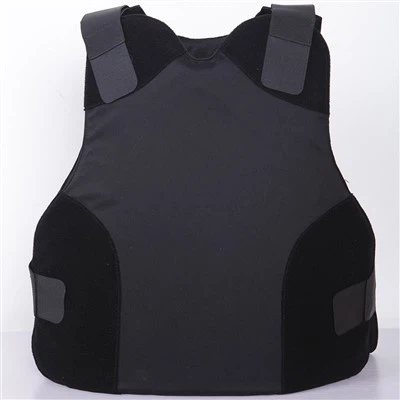
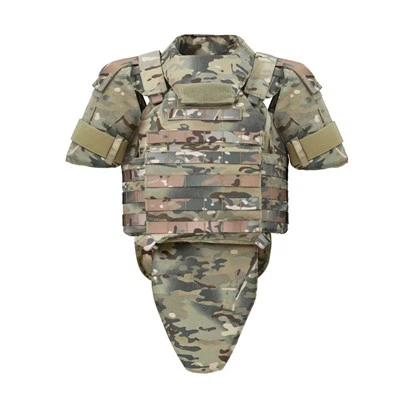
Riot jackets are designed with multiple layers to provide protection against various threats, including cuts. The outer layer is often made of a tough, abrasion - resistant material such as nylon or polyester. This layer helps to prevent the jacket from being easily torn or punctured by sharp objects.
Underneath the outer layer, there is usually a cut - resistant layer. This layer is typically made of materials such as Kevlar, Dyneema, or other high - strength fibers. These fibers are known for their excellent cut - resistance properties and are widely used in protective clothing.
The inner layer of the riot jacket is designed to provide comfort and breathability. It is often made of a soft, moisture - wicking material that helps to keep the wearer dry and comfortable during long periods of use.
Factors Affecting Cut - Resistance
Several factors can affect the cut - resistance of a riot jacket. One of the most important factors is the type of material used in the cut - resistant layer. As mentioned earlier, materials like Kevlar and Dyneema are known for their high cut - resistance. However, the quality and thickness of these materials can also play a role. A thicker layer of cut - resistant material will generally provide better protection than a thinner layer.
The construction of the jacket also affects its cut - resistance. A well - constructed jacket with proper stitching and reinforcement will be more resistant to cuts than a poorly constructed one. Additionally, the design of the jacket can impact its cut - resistance. For example, a jacket with a tight fit and no loose flaps or pockets is less likely to be caught on a sharp object.
The angle and force of the cut also matter. A direct, perpendicular cut is more likely to penetrate the jacket than a glancing blow. The force applied during the cut is also a crucial factor. A high - force cut is more likely to break through the cut - resistant layer than a low - force cut.
Testing and Certification
To ensure the quality and cut - resistance of riot jackets, they are often subjected to rigorous testing and certification. Manufacturers must comply with various standards and regulations to ensure that their products meet the required safety levels.
For example, in the European Union, riot jackets must comply with the EN 388 standard for cut - resistance. This standard sets out the requirements for the testing and classification of cut - resistant materials. By obtaining certification, manufacturers can demonstrate that their riot jackets meet the necessary safety standards.
Real - World Applications
In real - world scenarios, riot jackets are put to the test in situations where officers may encounter sharp objects such as knives, broken glass, or other cutting instruments. The cut - resistance of the jacket can mean the difference between a minor injury and a serious, life - threatening wound.
For example, during a riot, officers may be faced with individuals armed with knives. A cut - resistant riot jacket can provide a layer of protection, reducing the risk of serious injury. Similarly, in situations where there is broken glass or other sharp debris, the jacket can help to prevent cuts and abrasions.
Comparing Riot Jackets with Other Protective Gear
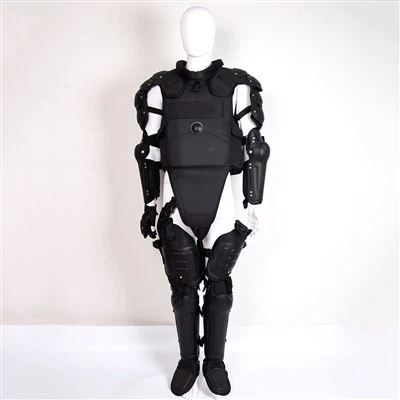
When it comes to protective gear, riot jackets are just one option. Other types of protective gear, such as Police Riot Suit and Riot Control Suit, also offer protection against cuts and other threats.
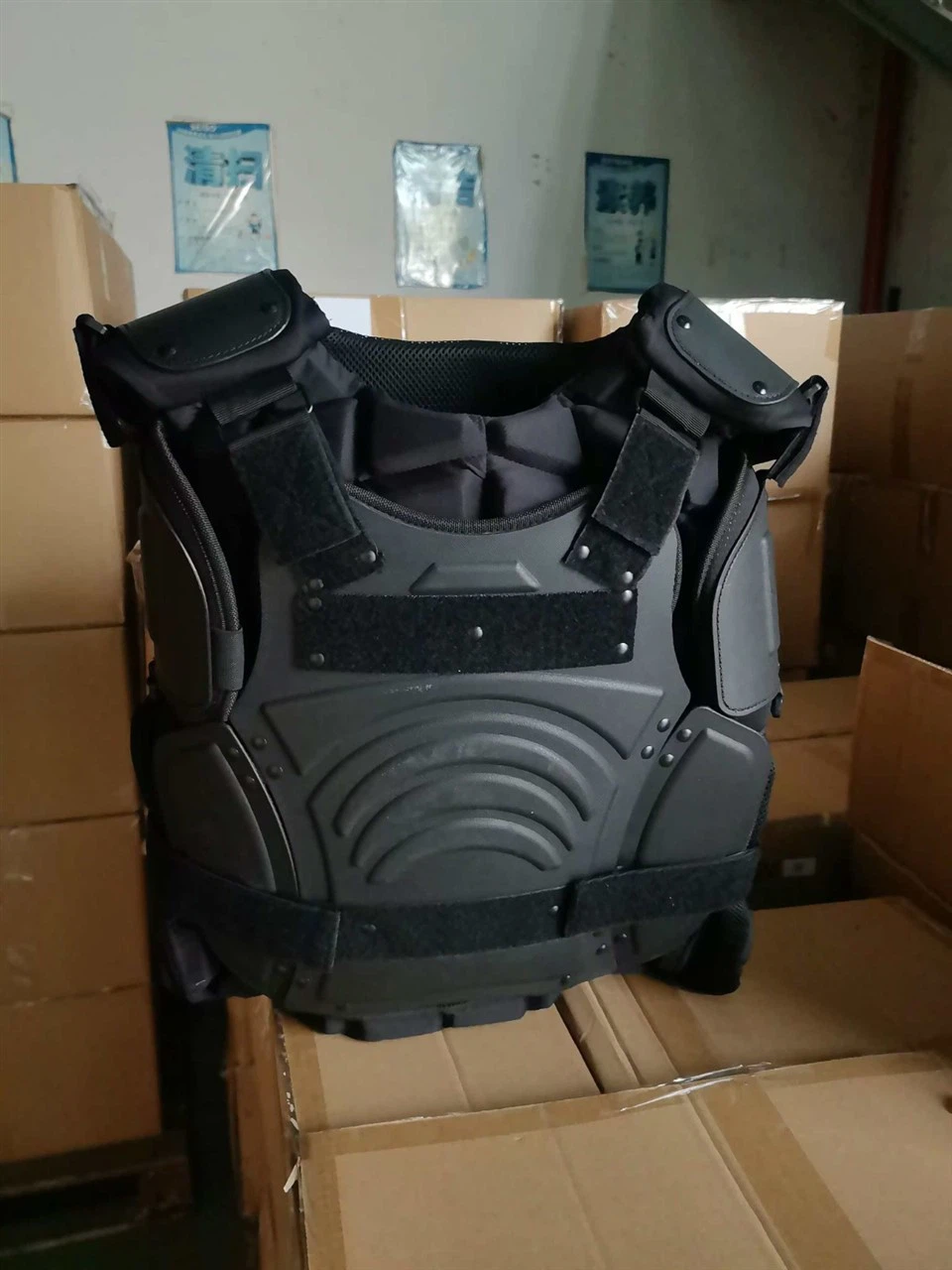
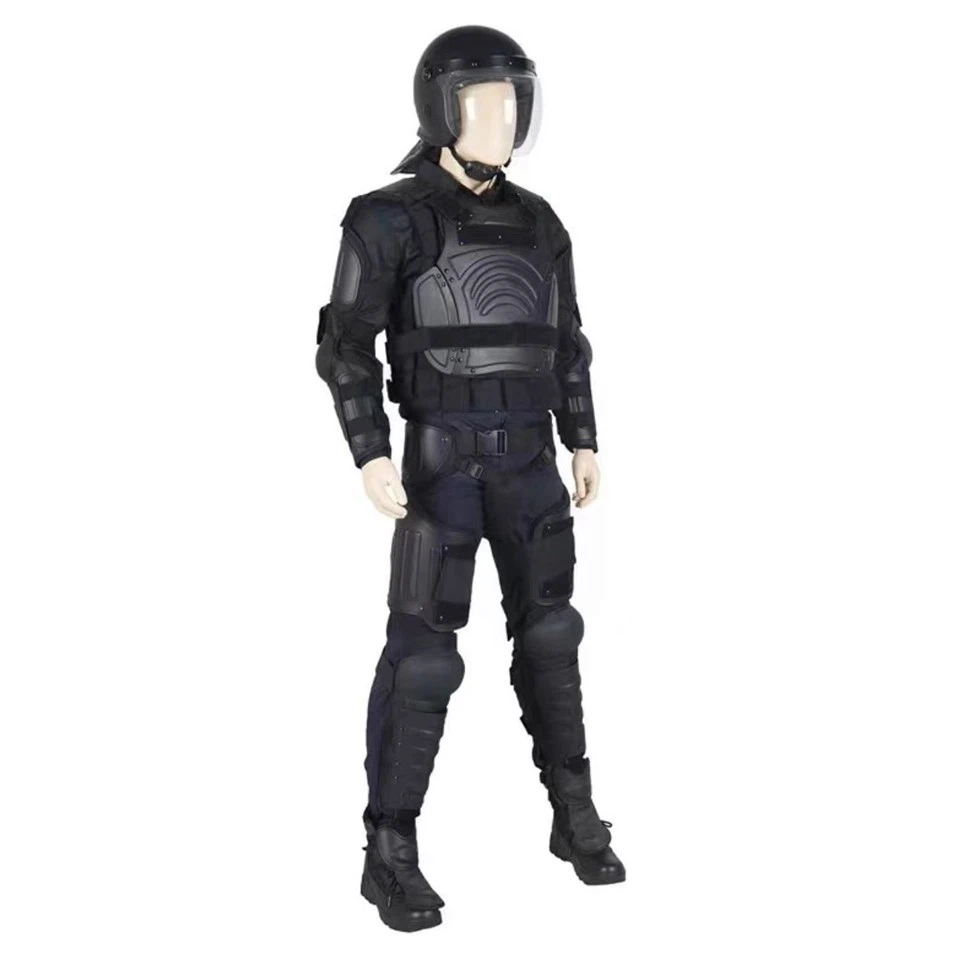
A police riot suit provides full - body protection, including protection for the head, torso, arms, and legs. It is designed to protect officers from a wide range of threats, including cuts, blunt force trauma, and chemical agents. A riot control suit is similar to a police riot suit but may be more lightweight and flexible, making it suitable for more mobile operations.
While these suits offer more comprehensive protection than a riot jacket, they may also be more bulky and less comfortable to wear for extended periods. A riot jacket, on the other hand, provides targeted protection for the torso and is more lightweight and breathable, making it a popular choice for officers who need to move quickly and freely.
Conclusion
In conclusion, riot jackets are generally resistant to cuts, thanks to their construction and the use of cut - resistant materials. However, their effectiveness depends on several factors, including the type of material used, the construction of the jacket, and the nature of the cut.
If you are in the market for a Riot Jacket, it is important to choose a jacket that has been tested and certified to meet the required safety standards. This will ensure that you are getting a high - quality product that provides reliable protection.
If you have any questions about our riot jackets or would like to discuss your specific needs, please feel free to contact us. We are here to help you find the best protective gear for your situation.
References
- ASTM F1790 Standard Test Method for Measuring the Cut Resistance of Materials Used in Protective Clothing
- EN 388:2016 Protective gloves against mechanical risks